

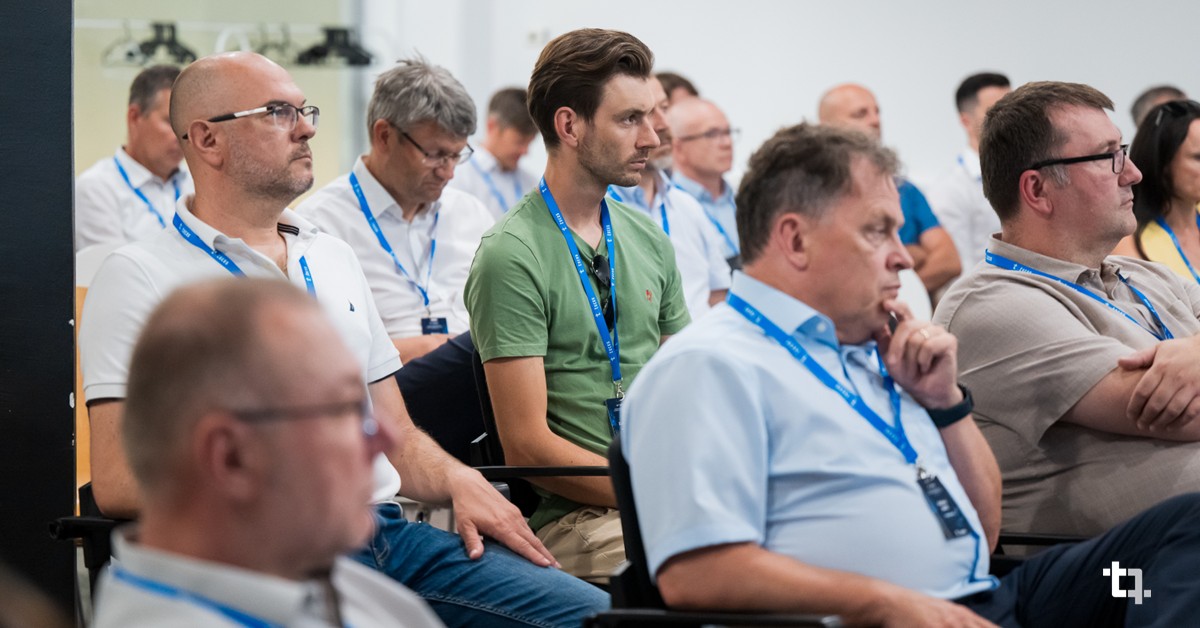
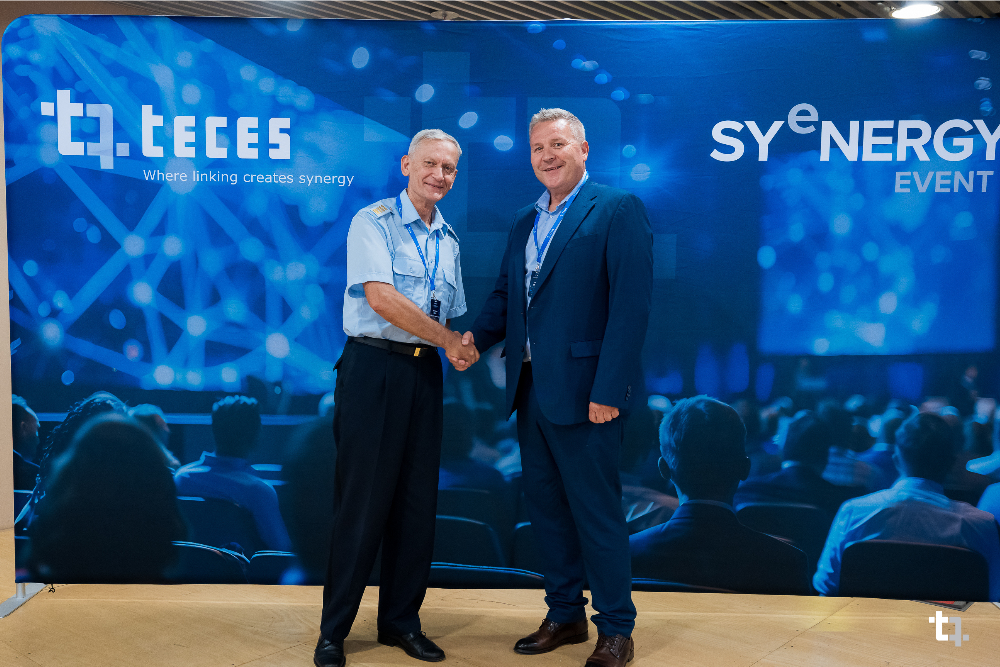
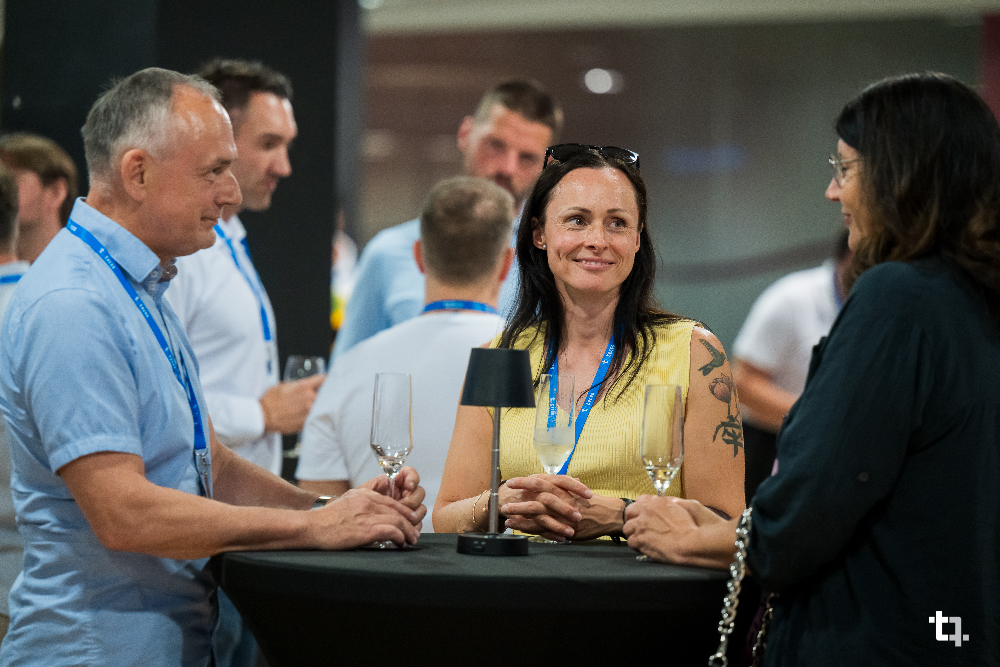
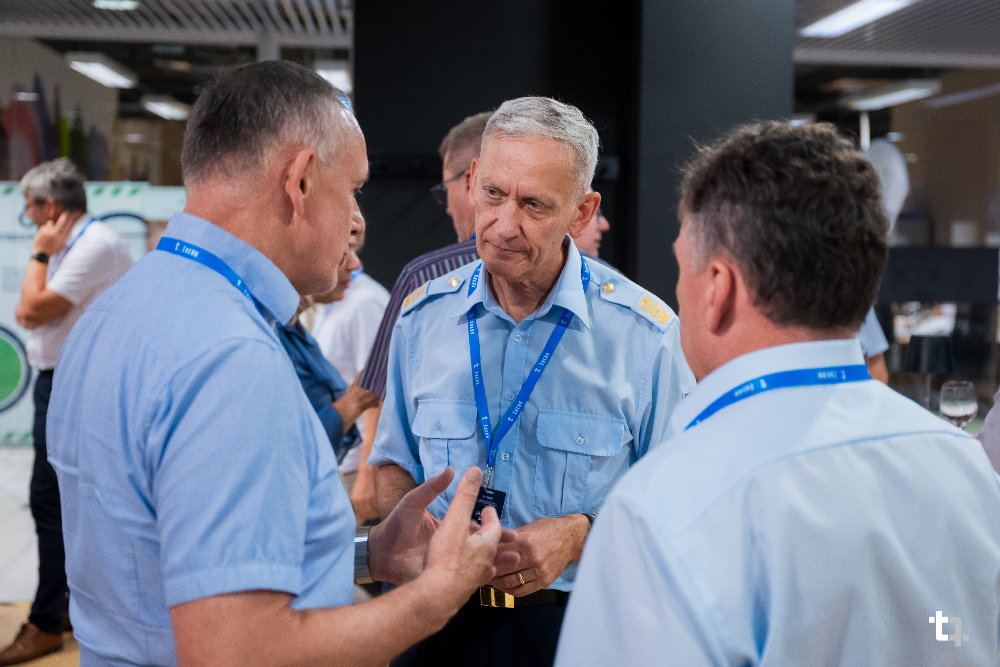
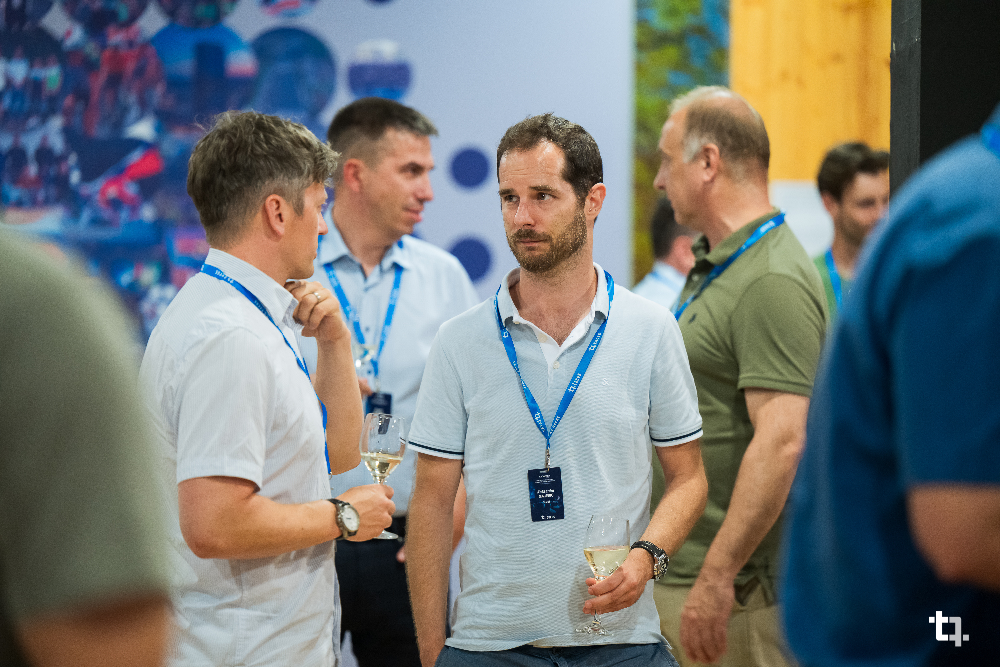
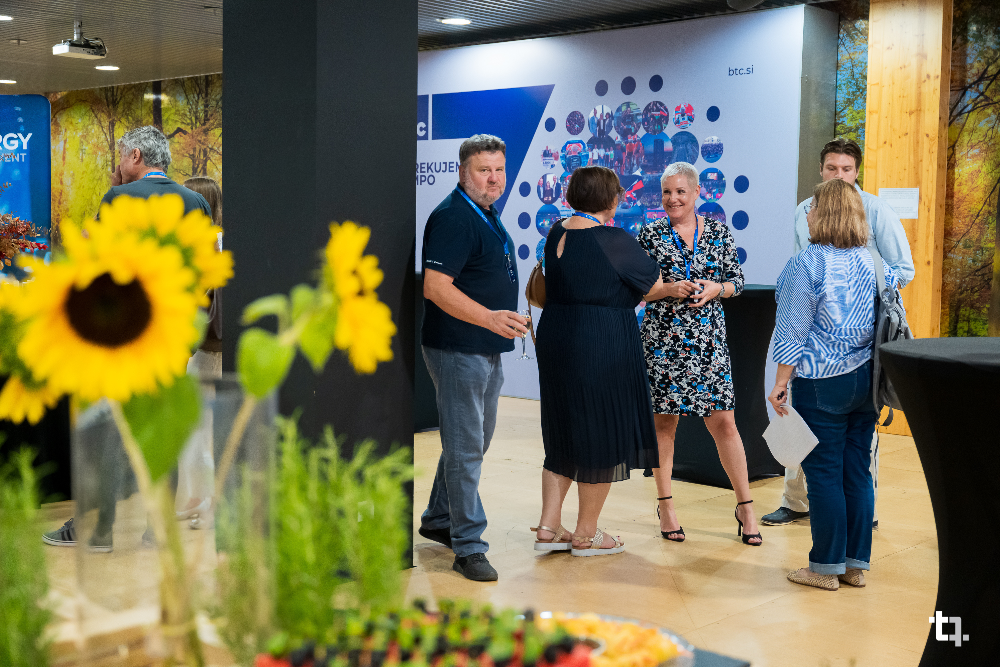
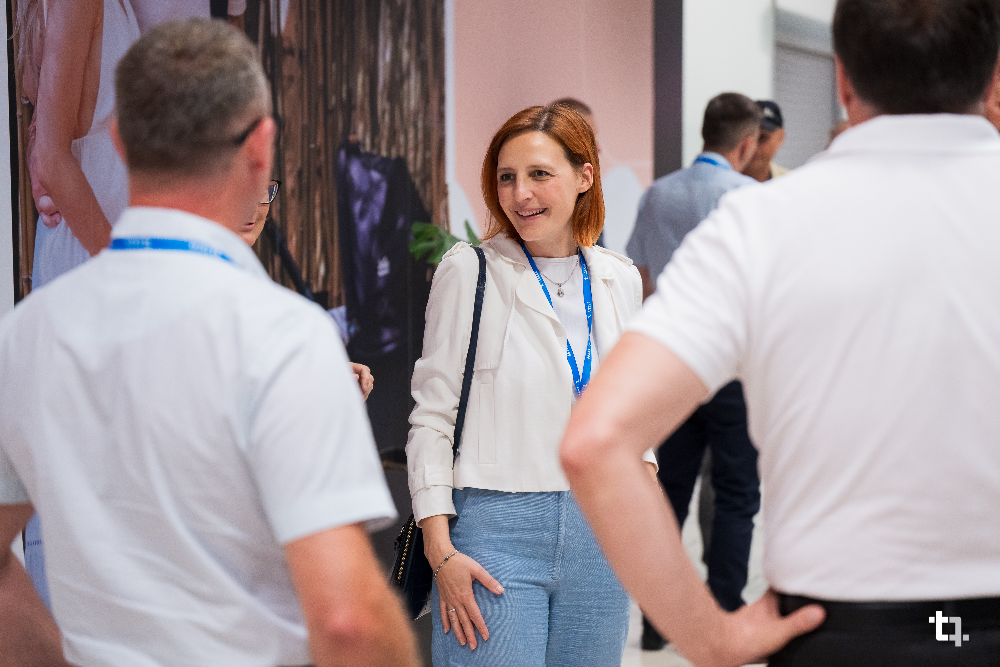
The traditional pre-summer gathering of TECES members and partners, held on 1 July at the TECES headquarters in Ljubljana, once again confirmed its role as an important platform for connecting members and partners and for strengthening cooperation between industry, research organisations, public authorities and end users.
In addition to networking and informal exchange of experience, participants were presented with an overview of the key activities of TECES partnerships during the first half of the year, together with priorities for the period ahead in both the civil and dual-use domains. A special focus of this year's programme was energy resilience as a key enabler of future defence capabilities and an important development opportunity for Slovenia.
The participants were welcomed by Matjaž Čemažar, Chairman of the TECES Governing Board and President of the DOMEL Management Board. In his opening address, he highlighted that for the past 25 years, TECES has successfully fulfilled its mission by continuously identifying emerging development trends and strategically adapting to the needs of its members and the wider innovation ecosystem. He pointed out dual-use as one of the key development opportunities for the coming years, emphasising that TECES, together with its partners, is strategically developing this field through the Slovenian Energy and EnvironmentPartnership (SiEnE), creating new opportunities for Slovenian industry to participate in European research, development and defence programmes.
Connecting Technologies into Integrated Solutions
A central theme of the programme was energy resilience, an increasingly important area for the development of future defence capabilities and a significant opportunity for Slovenian industry and research organisations.
The development perspective on energy resilience was presented by Matej Gajzer, Director of TECES and President of the SiEnE partnership. As he emphasised, "the challenge is no longer the technologies themselves, but their integration into comprehensive solutions and, above all, the cooperation between government, industry, research organisations and end users. Those who actively collaborate and engage in national and international dual-use communities will shape the future ecosystem of energy resilience."
He also stressed that the uniqueness of the Slovenian approach lies not only in developing advanced technologies, but in the way they are developed. The SiEnE partnership enables the direct transfer of end-user needs into the development process, connecting them with the capabilities of industry, research organisations and public authorities. This collaborative model is increasingly positioning Slovenia as an important European stakeholder in advancing energy resilience and dual-use solutions.
Energy as a Strategic Asset, Operational Necessity and Critical Vulnerability
The end-user perspective was presented by Colonel Robert Šipec, Head of the Energy Efficiency and Green Transition Division at the Ministry of Defence of the Republic of Slovenia. He explained the importance of energy resilience as one of the key building blocks of future defence capabilities and highlighted that energy has become a critical operational capability of modern defence systems. As he stated, "energy is no longer merely a passive factor in military operations; it has become a strategic asset, an operational necessity and a critical vulnerability." He further explained that energy security becomes a defence capability when a country can secure its supply chains, reduce dependence on external energy sources and effectively protect critical infrastructure. "Energy resilience is operational resilience," he concluded, warning that without a reliable energy supply, it is impossible to ensure the effective functioning of defence capabilities or an adequate response to crises.
Energy Resilience at the Heart of the Joint TECES–SiEnE–MoD Presentation at SIDEC 2026
The pre-summer gathering once again demonstrated that the greatest strength of the TECES partnerships lies in their active community, which today brings together 72 members. The event also set the direction for joint activities in the second half of the year, including the joint presentation of TECES, the SiEnE partnership, and the Ministry of Defence under the SiEnE partnership at SIDEC 2026, where Slovenian research, industrial, defence, and innovation capabilities in the field of energy resilience will be showcased.













 Pobreška cesta 20
 +386 2 333 13 60